
Discovering the Majesty of Elk
Nestled in the heart of the Appalachian Mountains, Great Smoky Mountains National Park is not only renowned for its breathtaking landscapes but also for its diverse wildlife. Among the park's most magnificent residents are the elk, an iconic species that captivates visitors with their grandeur and grace. We will explore everything you need to know about elk in the Park, including where to see them, their history, and tips for a safe and enjoyable viewing experience.
The History of Elk in Great Smoky Mountains National Park
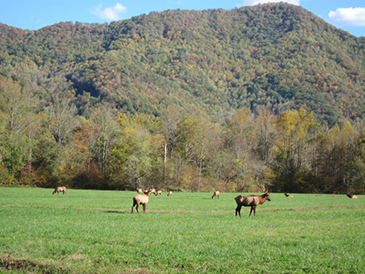
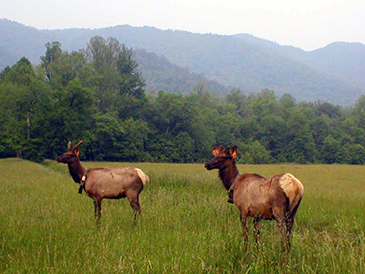
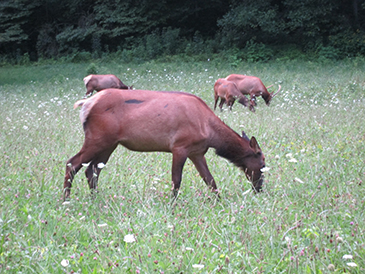
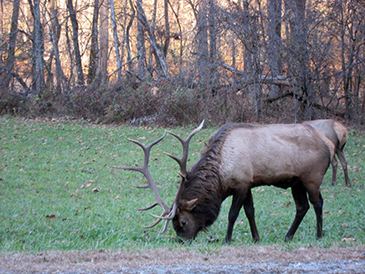
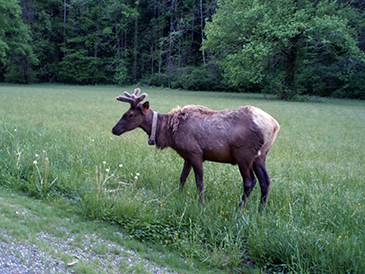
Elk once roamed freely across the eastern United States, but by the early 1900s, they had been nearly hunted to extinction. In an effort to restore the population, elk were reintroduced to the Great Smoky Mountains in 2001. Since then, these majestic creatures have thrived, and today, the park is home to a flourishing elk population, primarily concentrated in the Cataloochee Valley area.
 |
 |
|---|---|
 |
 |
 |
 |
 |
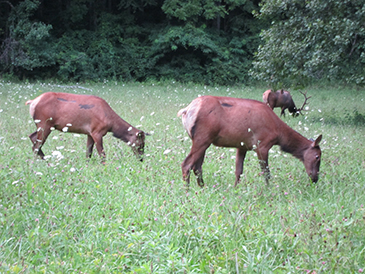 |
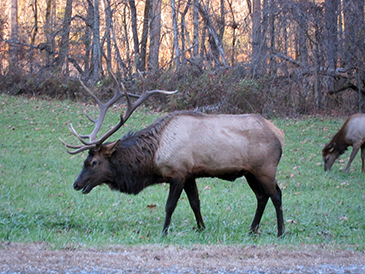
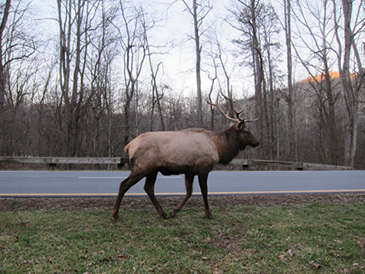
| @ Images by Jeaneane Payne | |
Best Places to See Elk in the Park
If you're eager to witness these magnificent animals, here are the top locations where you're most likely to spot elk in Great Smoky Mountains National Park:
1. Cataloochee Valley
Cataloochee Valley is the premier spot for elk watching. The National Park Service has established viewing areas here, allowing visitors to observe elk in their natural habitat. Early morning and late evening are the best times to catch a glimpse of these majestic creatures as they graze in the fields.
2. Oconaluftee Visitor Center
Another great place to see elk is near the Oconaluftee Visitor Center. The grassy areas surrounding the center often attract elk, particularly in the early mornings. The visitor center also offers educational exhibits about the park's wildlife and ecology.
3. Purchase Knob
Nestled in the heart of the Great Smoky Mountains, Purchase Knob is a hidden gem that offers an extraordinary opportunity to witness the majestic elk in their natural habitat. If you're a nature enthusiast, wildlife photographer, or simply someone looking to escape the hustle and bustle of everyday life, Purchase Knob should be at the top of your bucket list.
Purchase Knob has a fascinating history. Originally part of the private estate of the prominent businessman, George W. Johnson, it was incorporated into the Great Smoky Mountains National Park in 1934. The elk population was reintroduced to the park in 2001 as part of a broader conservation effort. Today, thanks to these initiatives, the elk herd has thrived, and visitors can now enjoy a glimpse of these magnificent creatures.
The best time to visit Purchase Knob for elk viewing is during the fall months, particularly from September to November. During this period, the elk engage in their mating rituals, known as the rut. Bulls will engage in vocalizations and displays of dominance, making it an exhilarating experience for wildlife watchers.
When you arrive, head to the Purchase Knob Visitor Center. Here, you can get valuable information from park rangers about the best trails and viewing spots. The Enloe Creek Trail and the Purchase Knob Trail are both excellent options for spotting elk. Remember to bring your binoculars and camera for an unforgettable wildlife photography experience!
Elk VIewing Tips:
1. **Best Times:** Elk are most active at dawn and dusk. Arrive early or stay late to increase your chances of spotting them.
2. **Prime Locations:** Head to Cataloochee Valley, a known hotspot for elk. Look for open fields and grassy areas where they graze.
3. **Be Patient:** Elk watching requires patience. Set up in a good viewing spot and wait quietly.
4. **Use Binoculars or a Spotting Scope:** These will help you see elk from a distance without disturbing them.
5. **Respect Wildlife:** Keep a safe distance (at least 25 yards) from elk. Never approach or feed them.
6. **Follow Park Regulations:** Stay on designated trails and respect any closures or restrictions.
7. **Bring a Camera:** Capture the memories of your elk watching adventure!
8. **Check the Weather:** The weather in the Smoky Mountains can change quickly, so be prepared for rain or cooler temperatures.
9. **Listen for Bugling:** During the fall rut, listen for the distinctive bugling calls of bull elk.
10. **Stay Quiet:** Loud noises can scare away elk, so keep your voice down and avoid sudden movements.
| Trip Ideas Great Smoky Mountains Facts Institute at Tremont Transportation & Airports Local News Photo Tours • Fall Photo Tour • Roaring Fork Motor Nature Trail • Smoky Mountain Fall Foliage • Fall Foliage at Kuhowi • Fall Colors in nearby towns • Fall in Wears Valley • Best Fall Hikes |
WHAT TO DO Attractions Biking Fishing Hiking Outdoor Adventure Scenic Drives Shopping Heritage, History, & Culture Nature Activities 4 SEASONS Winter Spring Summer Fall WEDDINGS Wedding Services Honeymoon Cabins |
WHERE TO EAT Restaurants Farmers' Markets Recipe Cards Surrounding Towns: • Cherokee • Gatlinburg • Pigeon Forge • Townsend • Wears Valley CONTACT |
||
