Great Smoky Mountains National Park experiences all four seasons -- summer, fall, winter, and spring. Each season brings a different weather pattern, seasonal flowers, and various opportunities to experience the outdoors.
 |
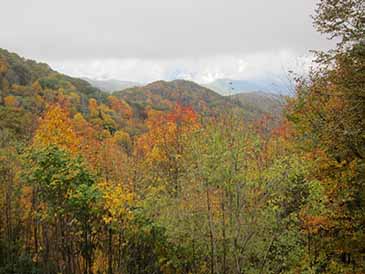 |
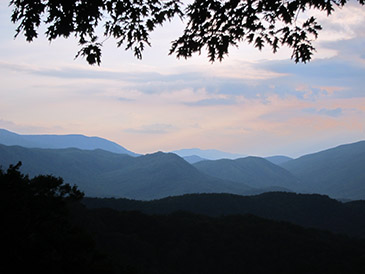
| Summer | Fall |
 |
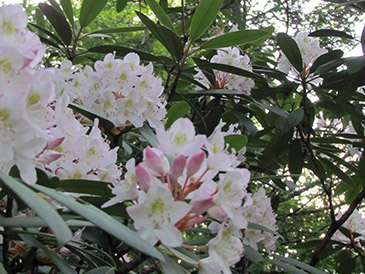 |
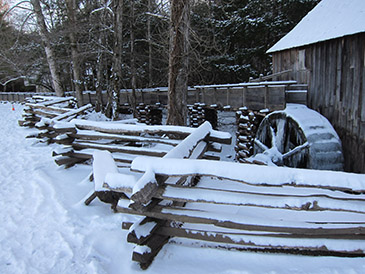
| Winter | Spring |
Great Smoky Mountains National Park is a land of dramatic seasonal changes. Spring brings wildflowers and warmer temperatures, while summer offers lush forests and hazy blue vistas. Fall transforms the landscape into a vibrant tapestry of red, orange, and gold, and winter provides peaks for snow-covered peaks and quiet solitude.
Spring (March to May)
Spring is a vibrant season in the Smokies, marked by blooming wildflowers and the awakening of wildlife. As temperatures gradually rise, average highs range from the mid-50s°F (around 12°C) in March to the mid-70s°F (about 24°C) by May. This time of year is particularly notable for the annual wildflower bloom, typically peaking in late April. Popular trails, such as the Rhododendron Gardens and Laurel Falls, showcase an array of colorful flora. Spring is also an excellent time for observing wildlife, as bears emerge from hibernation and migratory birds return to the area.
Summer (June to August)
Summer in the Smokies is warm and humid, with temperatures often reaching into the 80s°F (27-32°C). This season attracts many visitors, making it one of the busiest times in the park. The lush greenery provides ample opportunities for hiking, camping, and enjoying various water activities in the park’s streams and rivers. However, afternoon thunderstorms are common, so planning outdoor activities earlier in the day is advisable. Summer also offers various ranger-led programs and evening campfire talks, allowing visitors to engage with the park's natural history.
Fall (September to November)
Fall is perhaps the most breathtaking season in the Great Smoky Mountains, renowned for its stunning foliage. Beginning in late September and peaking in mid-October, the autumn leaves display a spectacular array of colors, from vibrant reds to rich yellows and oranges. Temperatures begin to cool, with daytime highs ranging from the mid-60s°F (18-20°C) to the low 70s°F (21-24°C) in September, dropping to the 50s°F (10-15°C) by November. This season is ideal for hiking, photography, and enjoying the scenic drives, such as the Cades Cove Loop Road, which offers panoramic views of the fall landscape. Wildlife activity remains high as animals prepare for winter.
Winter (December to February)
Winter in the Smokies can be quite chilly, with temperatures often hovering around freezing, especially at higher elevations. Snowfall is possible, particularly in the higher altitudes, creating a serene and picturesque environment. Average highs range from the upper 40s°F (8-10°C) in December to the mid-40s°F (6-8°C) by February. While some trails may be less accessible due to snow and ice, winter offers unique opportunities, such as cross-country skiing and snowshoeing. Additionally, the park's quieter atmosphere during this season allows for peaceful wildlife observation. Visitors can also explore the unique beauty of frost-covered trees and frozen waterfalls.
Each season in Great Smoky Mountains National Park provides its own set of experiences, showcasing the diverse beauty of the region. Whether you prefer the bloom of spring flowers, the lushness of summer, the vibrant colors of fall, or the tranquility of winter, the park offers something special year-round. Proper preparation for seasonal conditions can enhance safety and enjoyment while exploring this remarkable natural treasure.
| Trip Ideas Great Smoky Mountains Facts Institute at Tremont Transportation & Airports Local News Photo Tours • Fall Photo Tour • Roaring Fork Motor Nature Trail • Smoky Mountain Fall Foliage • Fall Foliage at Kuhowi • Fall Colors in nearby towns • Fall in Wears Valley • Best Fall Hikes |
WHAT TO DO Attractions Biking Fishing Hiking Outdoor Adventure Scenic Drives Shopping Heritage, History, & Culture Nature Activities 4 SEASONS Winter Spring Summer Fall WEDDINGS Wedding Services Honeymoon Cabins |
WHERE TO EAT Restaurants Farmers' Markets Recipe Cards Surrounding Towns: • Cherokee • Gatlinburg • Pigeon Forge • Townsend • Wears Valley CONTACT |
||
